

Lash Factories Upgrade Facilities to Meet Environmental Protection Standards
Lash Factories Embrace Green Upgrades: Meeting Global Environmental Protection Standards Through Facility Overhauls
As global environmental regulations tighten and consumer demand for sustainable beauty products grows, lash factories worldwide are undergoing significant facility upgrades to align with stringent environmental protection standards. This shift is not merely a compliance measure but a strategic move to enhance long-term viability, brand reputation, and industry leadership.

The beauty industry, including the lash sector, has faced increasing scrutiny over its environmental footprint, from chemical usage in production to waste generation and water pollution. Traditional lash manufacturing often relied on energy-intensive processes, non-biodegradable materials, and inadequate waste management systems, leading to ecological harm. Today, however, forward-thinking factories are reimagining their operations to address these issues head-on.

Key upgrades focus on four critical areas: wastewater treatment, clean energy adoption, sustainable material integration, and waste reduction. Modern lash factories are investing in advanced wastewater treatment plants that use biological filtration and chemical neutralization technologies to remove harmful substances—such as residual adhesives and dyes—before water is discharged or recycled. For instance, some facilities now achieve 95% water recycling rates, drastically reducing freshwater consumption.
Clean energy is another priority. Solar panels and energy-efficient machinery are replacing fossil fuel-dependent systems, cutting carbon emissions. A leading lash manufacturer in China, for example, installed a 5,000-square-meter solar array, meeting 30% of its energy needs and lowering annual carbon output by 800 tons. Such moves not only comply with regional carbon neutrality goals but also reduce long-term energy costs.
Sustainable materials are transforming product lines. Factories are phasing out non-biodegradable synthetic lash丝 (lash filaments) in favor of plant-based alternatives, such as silk or biodegradable polymers. These materials decompose naturally, reducing landfill waste. Additionally, packaging is being revamped—replacing plastic with recycled paper or compostable materials—to align with global plastic reduction initiatives.
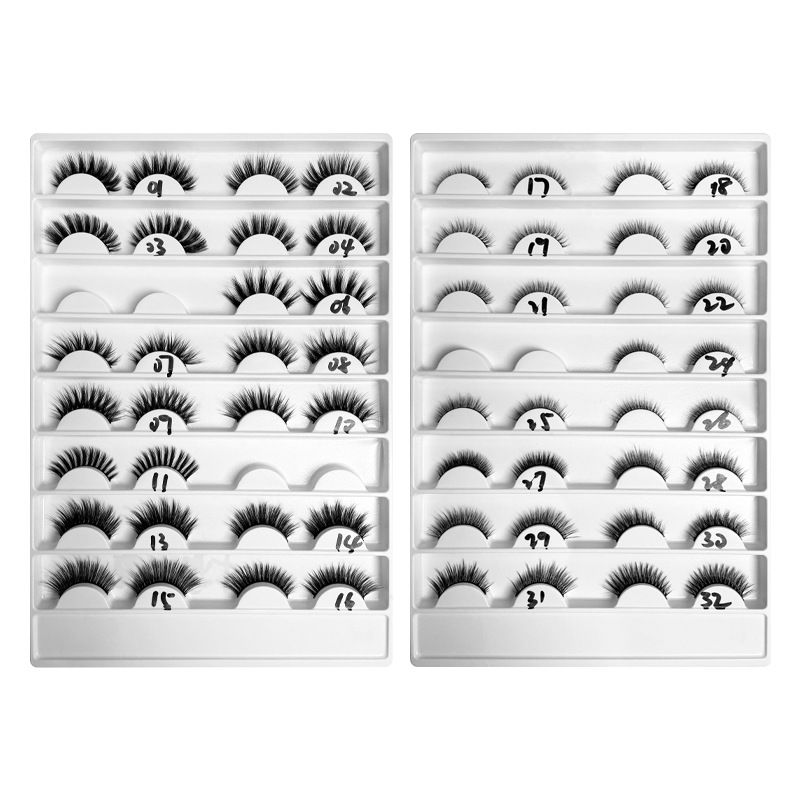
Waste reduction strategies extend to production workflows. Lean manufacturing principles are optimizing resource use: precise cutting techniques minimize material waste, while leftover lash丝 and trimmings are repurposed into smaller products or sent for recycling. Some factories have even partnered with recycling firms to convert waste into raw materials for other industries, creating a circular economy model.
The benefits of these upgrades are multifaceted. Compliance with environmental standards—such as the EU’s REACH regulations or China’s Environmental Protection Law—avoids costly fines and trade barriers, ensuring market access. Environmentally certified facilities also appeal to eco-conscious brands and consumers, who increasingly prioritize sustainability in purchasing decisions. A 2023 survey by Beauty Industry Insights found that 68% of lash buyers would pay a 10% premium for products labeled “environmentally friendly.”
Moreover, these changes position lash factories as industry innovators. By investing in green technology, they set benchmarks for competitors and drive collective progress toward a more sustainable beauty sector. Over time, the initial costs of upgrades are offset by operational efficiencies, lower resource expenses, and enhanced brand loyalty.
While challenges remain—including high upfront investment and the need for employee training— the momentum toward eco-friendly manufacturing is undeniable. As environmental protection becomes a global imperative, lash factories that proactively upgrade their facilities are not just meeting standards; they are shaping the future of the industry.


